
Thoughts on Korea Immigration, Business, and Policy
Entering the Korean Market: What Should Foreign Companies Decide First?
Entering the Korean Market: What Should Foreign Companies Decide First?
In recent years, an increasing number of foreign companies have been exploring opportunities to enter the South Korean market. Businesses already operating in countries such as the United States, Canada, the United Kingdom, and Japan are considering Korea as a new business hub, leading to growing demand for professional advice on establishing local subsidiaries and branch offices.
One of the first questions foreign companies face when preparing to enter Korea is surprisingly straightforward: “What is the most appropriate business structure for entering the Korean market?”
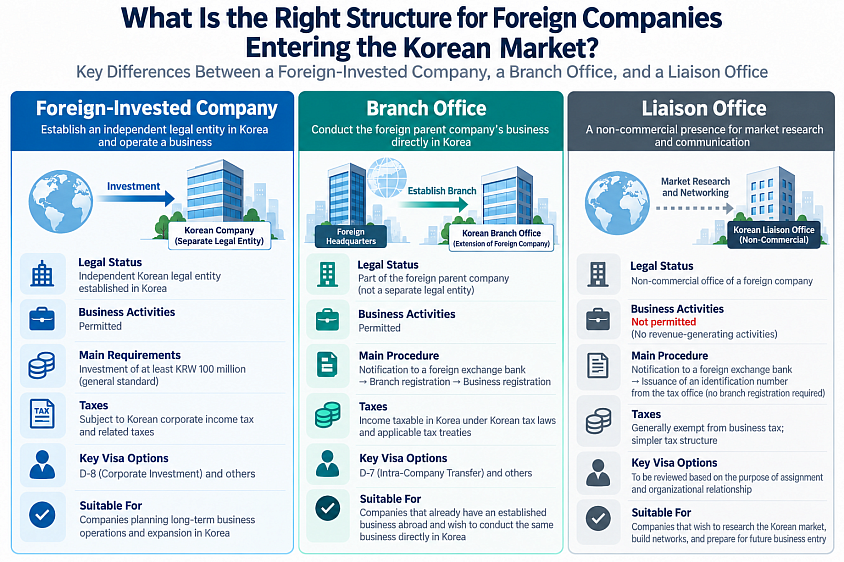
There are three primary ways for foreign companies to establish a business presence in Korea: establishing a foreign-invested company, registering a branch office, or setting up a liaison office.
Although all three options allow foreign businesses to establish a presence in Korea, they differ significantly in their legal status, permitted business activities, tax obligations, and visa requirements for foreign employees.
Therefore, entering the Korean market
involves much more than simply leasing office space or obtaining a business
registration certificate. Choosing the appropriate legal and operational
structure is the essential first step toward successful market entry.
Choosing the Right Business Structure Can Shape Future Operations
During consultations, foreign business representatives often ask, “Can we simply rent an office, hire employees, and start operating in Korea?”
However, conducting business legally in Korea requires careful consideration of the legal structure under which the company will operate.
For example, a foreign company planning to sell products, enter into commercial contracts, or generate revenue directly in Korea should consider establishing a local subsidiary or branch office.
On the other hand, if the primary objective is to research the Korean market, evaluate business opportunities, or develop relationships with local partners, a liaison office may be a more suitable option.
Problems can arise when companies select their business structure without fully understanding these distinctions.
For instance, a company may initially establish a liaison office because the registration process appears relatively simple. However, if the company later decides to engage in commercial activities, it may need to establish a separate subsidiary or branch office.
Ultimately, selecting a market entry
structure is not merely an administrative decision. It is a strategic business
decision that directly influences future operations, expansion opportunities,
and legal responsibilities.
Understanding the Differences Between a Foreign-Invested Company, Branch Office, and Liaison Office
1. Foreign-Invested Company: Establishing an Independent Legal Entity in Korea
A foreign-invested company is a Korean legal entity established or invested in by a foreign individual or corporation.
A common approach is for a foreign company to establish a new Korean corporation, such as a joint-stock company (Jusik Hoesa) or a limited liability company (Yuhan Hoesa). Foreign investors may also enter the Korean market by acquiring shares in an existing Korean company.
Under the Foreign Investment Promotion Act (FIPA), qualifying foreign direct investment generally requires an investment of at least KRW 100 million and the acquisition of at least 10% of the company's voting shares or equity interests, subject to applicable legal requirements and exceptions.
The foreign investment notification can be submitted through a designated foreign exchange bank or the Korea Trade-Investment Promotion Agency (KOTRA).
The general establishment process involves foreign investment notification, corporate registration, business registration, and registration as a foreign-invested enterprise.
The most important characteristic of this structure is that the Korean company operates as a separate legal entity from its foreign parent company.
The Korean entity can enter into contracts under its own name, hire employees, conduct commercial activities, and independently manage its business operations. As a Korean corporation, it is also subject to corporate income tax and other applicable tax obligations.
Foreign executives or professionals involved in the management and administration of a qualifying foreign-invested company may be eligible for D-8 (Corporate Investment) visa status, provided they meet the relevant immigration requirements.
However, meeting the minimum investment threshold does not automatically guarantee visa approval.
For foreign companies planning long-term business expansion, attracting local investors, or diversifying their business activities in Korea, establishing a foreign-invested company may be an appropriate strategy.
2. Branch Office: Conducting Business in Korea as an Extension of the Foreign Parent Company
A branch office is a business establishment through which a foreign corporation conducts its operations in Korea.
Unlike a foreign-invested company, a branch office is not a separate Korean legal entity. Instead, it operates as an extension of the foreign parent company.
The establishment of a branch office is generally governed by the Foreign Exchange Transactions Act and related regulations.
The typical procedure involves filing a branch establishment notification with a designated foreign exchange bank, followed by branch registration and business registration in Korea.
A branch office may conduct commercial activities, including entering into contracts, selling products, providing services, and generating revenue.
However, because it is not an independent legal entity, the legal rights, obligations, and liabilities arising from its operations generally belong to the foreign parent company.
Income attributable to the Korean branch is subject to Korean taxation in accordance with domestic tax laws and applicable tax treaties.
When a foreign parent company assigns employees to its Korean branch, those employees may be eligible for D-7 (Intra-Company Transfer) visa status if they satisfy the relevant requirements.
A branch office can therefore be an effective option for foreign companies that already have established business operations overseas and wish to conduct those same activities directly in Korea.
3. Liaison Office: Establishing a Non-Commercial Presence Before Entering the Market
A liaison office, also referred to as a representative office, is a non-commercial establishment maintained by a foreign company in Korea.
Like a branch office, it forms part of the foreign parent company rather than operating as a separate legal entity.
However, the fundamental distinction is that a liaison office is not permitted to conduct revenue-generating business activities in Korea.
Its permitted activities generally include market research, information gathering, communication with the foreign headquarters, promotional support, and preliminary business relationship development.
A liaison office cannot directly generate sales revenue in Korea or act as a contracting party in revenue-generating commercial transactions.
The establishment procedure generally involves filing a liaison office notification with a designated foreign exchange bank and obtaining an identification number from the relevant tax office.
Unlike a commercial branch office, a liaison office does not ordinarily require commercial branch registration.
Because a liaison office does not engage in profit-making activities, its tax structure may be simpler than that of a commercial branch. Nevertheless, employing staff may create obligations relating to payroll withholding taxes, social insurance, and other employment regulations.
Visa eligibility for foreign employees assigned to a liaison office must also be assessed separately, taking into account the purpose of the assignment and the relationship between the foreign headquarters and its Korean office.
For foreign companies wishing to evaluate
market potential before committing to full-scale commercial operations, a
liaison office may provide a practical and cost-effective initial presence.
Key Considerations Before Selecting a Market Entry Structure
Before entering the Korean market, foreign companies should carefully evaluate several important factors.
First, determine whether the company intends to generate revenue directly in Korea.
If the company plans to engage in commercial activities, establishing a foreign-invested company or branch office should be considered.
If its activities will be limited to market research, communication, and other non-commercial functions, a liaison office may be sufficient.
Second, consider the legal relationship between the foreign headquarters and the Korean operation.
Companies must decide whether they prefer to operate through an independent Korean legal entity or maintain direct responsibility for Korean operations through the foreign parent company.
This distinction can significantly affect legal liability, contractual relationships, and corporate governance.
Third, evaluate taxation and financial arrangements.
Important considerations include how capital will be transferred into Korea, how transactions between the foreign headquarters and the Korean operation will be handled, how profits may be remitted overseas, and which accounting and tax reporting obligations will apply.
Fourth, consider immigration requirements for foreign executives and employees from the beginning.
The D-8 (Corporate Investment) visa and D-7 (Intra-Company Transfer) visa serve different purposes and have distinct eligibility requirements.
Therefore, the business establishment structure should be reviewed together with the company's plans for assigning foreign personnel to Korea.
Establishing a foreign-invested company does not automatically make every foreign executive or employee eligible for a D-8 visa. Likewise, registering a Korean branch office does not guarantee approval of a D-7 visa.
Finally, consider the company's long-term growth strategy.
If the company intends to develop multiple business lines in Korea or attract outside investment, an independent corporate structure may offer greater flexibility.
Conversely, if the primary objective is to extend the foreign headquarters' existing business activities into Korea, a branch office may be a more efficient structure.
The decision should therefore take into
account not only the initial establishment costs but also future operational
requirements, expansion plans, and the potential costs of restructuring.
Conclusion: Successful Market Entry Begins with the Right Business Structure
Entering the Korean market involves more than completing business registration procedures.
A foreign-invested company creates an independent Korean legal entity, while a branch office enables a foreign parent company to conduct business directly in Korea. A liaison office, by contrast, provides a non-commercial presence for market research, communication, and other preparatory activities.
Each structure has distinct characteristics regarding establishment procedures, legal liability, taxation, immigration requirements, and future business expansion.
Foreign companies should therefore prioritize selecting a structure that aligns with their business objectives and long-term operational plans rather than focusing solely on the convenience or speed of establishment.
Ultimately, successful entry into the Korean market depends not simply on how quickly a company can establish its presence, but on how effectively it designs the right business structure from the very beginning.
Foreign Workers Are More Than Just a Solution to Labor Shortages
Foreign Workers Are More Than Just a Solution to Labor Shortages
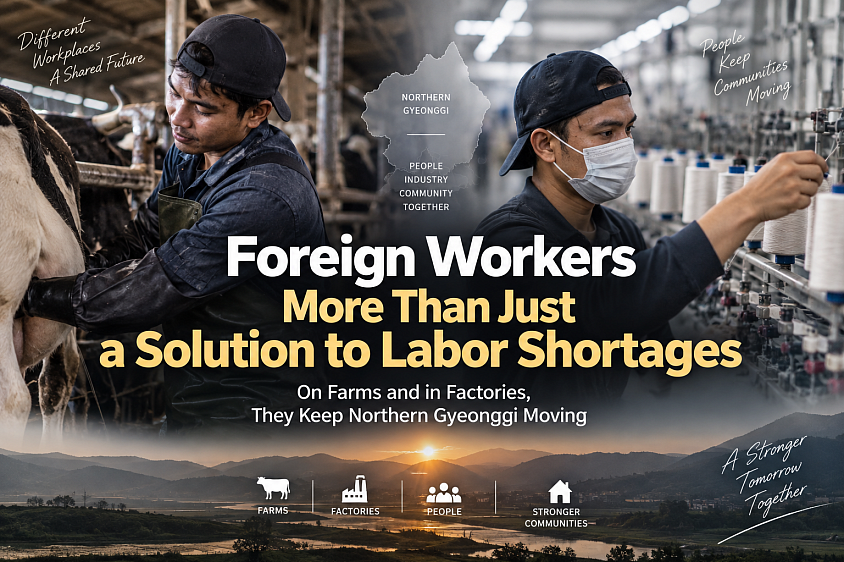
A recent news article highlighted the growing role of foreign workers on livestock farms and in manufacturing facilities in northern Gyeonggi Province. As employers struggle to recruit Korean workers, foreign workers are increasingly filling critical labor shortages. Some business owners even say that without them, it would be difficult to keep their farms and factories running.
As a Korean immigration specialist, I regularly work with both foreign
workers and the employers who hire them. What I see in practice is very
similar. In particular, for many small and medium-sized businesses in
manufacturing, agriculture, and livestock farming, foreign workers are no
longer simply additional labor. They have become an essential part of
maintaining day-to-day operations.
Beyond Recruitment: Skills and Long-Term Stability
Korea's foreign workforce policy should not focus solely on how many workers are brought into the country.
It takes considerable time for newly arrived foreign workers to learn their jobs, adapt to the workplace, and develop the skills needed to become experienced employees. Employers also invest significant time and resources in training workers who may face language and cultural differences.
For this reason, creating an environment where skilled foreign workers can remain employed in a stable manner is important not only for the workers themselves, but also for the productivity and workforce stability of small and medium-sized businesses.
Korea already provides pathways for certain E-9 non-professional workers who meet specific requirements to change their status of stay to categories such as the E-7-4 visa for skilled workers, allowing them to continue working in Korea on a longer-term basis.
The focus should therefore expand from simply “bringing in foreign workers
where labor is needed” to “helping needed workers develop their skills and
build stable, longer-term lives in Korea.”
Foreign Workers Are Already Members of Local Communities
In my work, I often meet foreign workers who have spent years with the same company, taken on important responsibilities, and built strong relationships of trust with their employers.
As they spend more time in Korea, it is also natural for them to begin considering family reunification, long-term residency, or even permanent residency.
At this point, foreign workforce policy inevitably becomes part of a broader immigration policy.
As foreign residents stay longer in Korea, issues such as housing, family life, children's education, Korean-language ability, and social integration become increasingly important. These changes cannot be adequately addressed if foreign workers are viewed only as temporary labor brought in to fill vacant jobs.
Foreign workers are no longer on the margins of Korea's industrial workforce. They are working on farms, keeping production lines running, and supporting industries and local economies across the country.
Korea's foreign workforce policy should therefore move beyond the simple idea that “we need foreign workers because there are not enough people to do these jobs.”
It is time to consider a broader and longer-term immigration policy: How can Korea attract the workers it needs, help them develop their skills, and create an environment in which they can live and contribute to Korean society over the long term?
The way we view foreign workers should evolve as well — from people who simply fill labor shortages to members of our workforce and local communities who are helping build Korea's future.
Seungsu We
Korean Immigration Specialist
We Administrative Attorney Office
The Changing Face of Korea’s National Teams: Who Do We Consider Korean?
The Changing Face of Korea’s National Teams: Who Do We Consider Korean?
Watching the recent FIFA World Cup in North America, I found myself thinking about how much the face of Korea’s national teams has changed over the years.
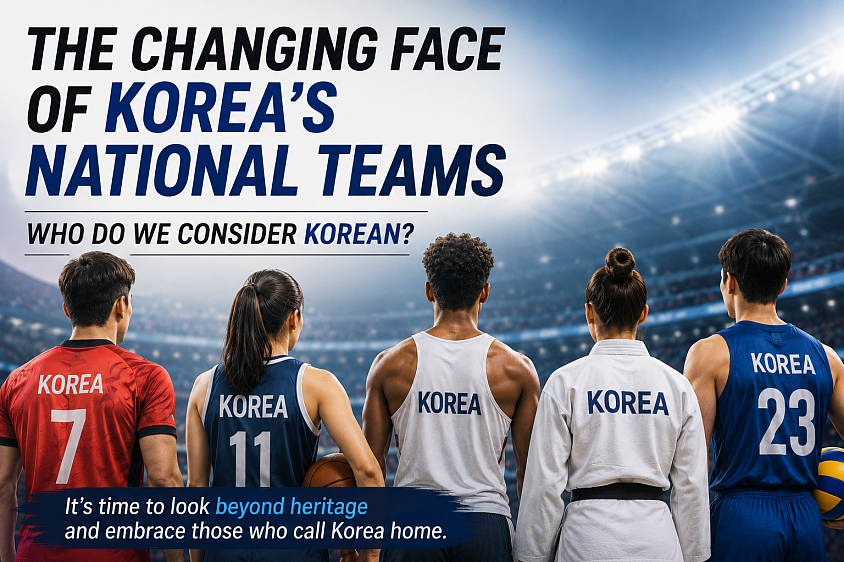
It is no longer unusual to see athletes who were born and raised overseas, or who have one foreign-born parent, wearing the Taegeuk mark and representing Korea on the international stage.
And this change is not limited to football. Athletes from multicultural families are increasingly making their mark in basketball, track and field, and many other sports.
It made me wonder:
The face of Korea’s national teams is already changing. But has our idea of what it means to be “Korean” changed along with it?
Korea Is Already Becoming a
Multicultural Society
For a long time, Korea has had a strong sense of itself as an ethnically homogeneous nation.
But the reality today is very different.
As international marriages and the number of foreign residents settling in Korea have increased, so has the number of children from multicultural families who are born and raised here.
Many of these children are born in Korea, attend Korean schools, speak Korean with their friends, and grow up immersed in Korean society.
After school, they go to academies, eat tteokbokki with their friends, play football and basketball, and cheer for their favorite athletes.
To them, Korea is not simply the country of one of their parents.
It is the country where they were born and raised. It is their home.
Yet people in Korea still sometimes ask someone, “Where are you really from?” simply because their skin color or appearance is different. We also continue to label people as “mixed-race” or “multicultural” before seeing them simply as Korean.
They may have considered themselves Korean their entire lives, while others continue to question their identity.
Sports Are Showing the Change First
Sports may be one of the places where social change becomes visible first.
On the field, what matters most is not where your parents come from, but what you can do.
If you can play well, run fast, jump high, and contribute to the team, you are recognized as an athlete.
Today, talented athletes from multicultural backgrounds are entering professional sports and representing Korea on the international stage.
This will likely become even more common in the years ahead.
Yet even after these athletes make the national team, we often continue to describe them as “mixed-race national team athletes” or “multicultural athletes.”
Of course, such terms can be useful when explaining someone’s background.
But how long should a person’s parents’ nationality or skin color remain the most important label used to describe them?
If someone is a Korean citizen and competes internationally for Korea, perhaps we should simply see that person for what they are:
A member of the Korean national team.
A Country Their Parents Moved To, but the Home They Were Born Into
As an administrative attorney in Korea, I meet people from many different countries.
Some settled in Korea through marriage. Others came to study and later found employment here. Some have lived in Korea for many years and are now preparing to obtain permanent residency or Korean citizenship.
Many of them are also raising children who were born or have grown up in Korea.
Through meeting these families, I have come to recognize an important difference.
For the parents, Korea may be a country they moved to and settled in. For their children, Korea has always been their country and their home.
That is why discussions about multiculturalism should not focus only on how well foreigners adapt to Korean society.
We also need to ask whether Korean society itself is ready to accept its changing population as a natural part of the country.
The Changing Face of Our National Teams
Reflects Korea’s Future
A few years from now, a team photo of Korea’s national athletes may look far more diverse than it does today.
The athletes may have different skin colors. Their parents may come from different countries. Some may have been born and raised overseas.
But they will all wear the same Taegeuk mark and represent the Republic of Korea.
Perhaps one day, no one will consider such a team unusual at all.
And perhaps that will be the moment when Korea has taken another meaningful step toward becoming a truly multicultural society.
Sports are already showing us that change.
What needs to change next is the way we see one another.
The question should no longer be:
“How much Korean blood does this person have?”
Instead, perhaps we should ask:
“Are we ready to accept people who live, grow, and belong here as Koreans, regardless of what they look like or where their parents came from?”
It may be time for us to broaden our understanding of what it means to be Korean.
Are Children of Korean and Australian Parents Automatically Dual Nationals?Citizenship by Descent and Korean Nationality Law
Are Children of Korean and Australian Parents Automatically Dual Nationals? Citizenship by Descent and Korean Nationality Law
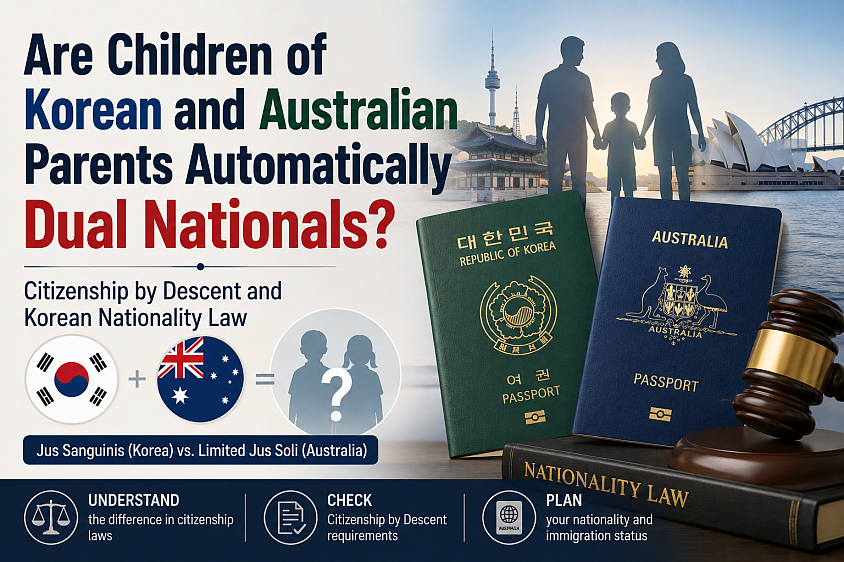
Many people assume that children born to a Korean parent and an Australian parent automatically acquire dual nationality in both the Republic of Korea and Australia. This assumption is understandable, especially for those familiar with countries such as the United States and Canada, where citizenship is generally granted by birth within the country's territory.
Australia's citizenship system, however, is different. In practice, one of the most common questions I receive is, "If my child has always been considered an Australian citizen, why is there an issue regarding Korean nationality?" The answer lies in the difference between Australia's Citizenship by Descent system and the way the Korean Nationality Act is applied.
Korea follows the principle of jus sanguinis (citizenship by blood). In other words, a child automatically acquires Korean nationality at birth if either parent is a Korean national.
By contrast, the United States and Canada are well-known examples of countries that primarily follow jus soli (citizenship by birth within the territory). Australia, however, adopts a limited form of jus soli. A child born in Australia does not automatically become an Australian citizen unless certain legal requirements are met, such as having a parent who is an Australian citizen or a permanent resident.
Furthermore, a child born outside Australia to an Australian citizen does not automatically acquire Australian citizenship. Instead, the child's Australian parent must apply for Citizenship by Descent, and Australian citizenship is granted only after the application has been approved. This distinction is particularly significant when determining nationality under Korean law.
Under the Korean Nationality Act, the timing and method of acquiring a foreign nationality may affect a person's Korean nationality status. Therefore, it is not always correct to conclude that a child of a Korean and an Australian parent is automatically a dual national from birth.
If Korean nationality has been lost, it is also important to review the individual's immigration status. In many cases, eligibility for the F-4 Overseas Korean Visa should be considered. Male applicants should also carefully examine any military service obligations, as the legal outcome may vary depending on factors such as the child's place of birth, the parents' nationality, the date Australian citizenship was approved, and other individual circumstances.
Nationality issues cannot be determined solely by the nationality of the parents. Each case depends on the child's birth circumstances, the process through which Australian citizenship was obtained, and the application of Korean nationality law. For this reason, individuals should first confirm their nationality status before proceeding with any visa application.
Korea's Growing Appetite for Authentic Flavors: Why More Foreign Entrepreneurs Are Opening Restaurants

Korea's Growing Appetite for Authentic Flavors: Why More Foreign Entrepreneurs Are Opening Restaurants
If you walk around Korea these days, it's easy to find restaurants serving food from all over the world. While international cuisine has long been available, a noticeable shift has taken place in recent years.
In the past, many foreign dishes were adapted to suit Korean tastes and were often operated by Korean owners. Today, however, more restaurants are staying true to their original recipes and cooking methods. It is also becoming increasingly common for these businesses to be owned and operated by foreign entrepreneurs themselves.
This trend is driven by more than changing dining preferences. As the Korean government has gradually eased policies related to foreign investment and business establishment, the number of foreigners preparing to start businesses in Korea has continued to grow.
As an administrative attorney specializing in immigration, visas, and business licensing, I frequently receive consultations from foreign entrepreneurs. In addition to sole proprietorships, I have also seen a growing number of foreign investors establishing corporations under the D-8 (Business Investment) visa to operate restaurants in Korea.
One of the most interesting observations from these consultations is that authentic recipes can be highly competitive in today's market. I believe there are two main reasons for this.
First, Korean consumers have become increasingly global in their tastes. As overseas travel and exposure to international cuisine have become more common, many people now seek authentic flavors rather than localized versions designed specifically for the Korean palate.
Second, Korea itself is rapidly becoming a multicultural society. Foreign residents are no longer a niche customer base but an increasingly important part of the market. For example, several Chinese restaurant brands entering Korea have strategically opened locations near areas such as Gangnam Station and Myeongdong Station, where many Chinese students and tourists gather, offering authentic cuisine to meet their customers' expectations.
Personally, I also enjoy international cuisine. While localized versions certainly have their appeal, there are times when I simply want to experience the same flavors I remember from my travels abroad. Restaurants operated by foreign owners often provide not only authentic food but also an opportunity to experience another country's culture.
Looking ahead, I believe the number of foreign-owned restaurants in Korea will continue to increase. The businesses that succeed will not focus solely on serving customers from their own countries. Instead, they will preserve the authenticity of their cuisine while also understanding the preferences of Korean consumers.
The growing number of foreign entrepreneurs represents far more than an increase in new restaurants. It reflects the increasing diversity of Korean society and the expanding role that foreign nationals play in the Korean economy.
As someone who works closely with foreign entrepreneurs every day, I expect this trend to extend well beyond the restaurant industry into many other sectors in the years ahead.
Korea's 3 Million Immigrant Era: More Than Numbers, A New Reality
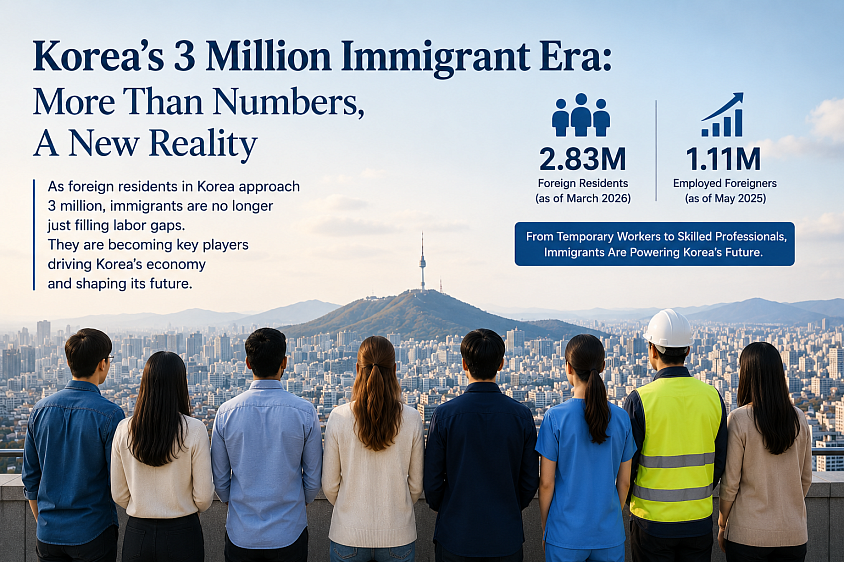
Korea's 3 Million Immigrant Era: More Than Numbers, A New Reality
Recently, I came across an article discussing Korea's rapidly
growing immigrant population. It prompted me to reflect not only on the numbers
themselves but also on what those numbers truly represent.
South Korea is approaching a significant milestone—an
immigrant population of three million. After declining during the COVID-19
pandemic, the number of foreign residents has rebounded quickly, and the
country is now on the verge of entering a new era.
What stood out to me, however, was not the size of the
population.
It was the transformation behind it.
For many years, Korea's immigration policy focused primarily
on filling labor shortages. Foreign workers were welcomed mainly to support
industries such as manufacturing, agriculture, fisheries, and
construction—sectors where domestic labor was increasingly difficult to secure.
Today, the picture is changing.
Recent statistics show a remarkable increase in skilled
professionals holding E-7 visas, while government initiatives have expanded
opportunities for experienced foreign workers to build long-term careers in
Korea. At the same time, nearly half of all foreign residents are now in their
twenties and thirties, providing much-needed energy to a country facing one of
the world's lowest birth rates and a rapidly aging population.
As a Korean immigration specialist, I witness this
transformation every day.
Until recently, most of my consultations involved temporary
work visas or visa extensions.
Today, the conversations are very different.
"I want to build my future in Korea."
"I'd like to obtain permanent residency."
"I want to bring my family here."
"I hope my children can grow up in Korea."
These are no longer exceptional cases—they are becoming
increasingly common.
For many people, Korea is no longer simply a place to work
for a few years. It is becoming a place to build a life.
Of course, significant challenges remain.
While immigration policies continue to evolve, many foreign
residents still face practical barriers in their daily lives, including
language, housing, banking, education, and social integration. Improving visa
regulations is important, but successful immigration policy requires much more
than administrative reform.
It requires creating an environment where people can truly
belong.
In my view, Korea's immigration policy is entering a new
phase. The central question is no longer "How many foreign workers
should we admit?" but rather "How can we help people become
long-term members of our society?"
Immigrants today are not merely filling labor shortages.
They are entrepreneurs, engineers, researchers, healthcare
professionals, students, parents, taxpayers, and neighbors. They contribute not
only to the economy but also to the communities where they live.
The approaching three-million mark is more than a statistical
milestone.
It reflects a fundamental transformation in Korean society.
The real challenge now is not simply preparing immigration
policies for a larger foreign population—it is preparing our society to welcome
and grow together with them.
One of the greatest privileges of my work is meeting people
from every corner of the world.
Although they come from different countries, speak different
languages, and have different cultural backgrounds, most of them share
remarkably similar hopes.
They want stability.
They want opportunities.
They want to raise their families in a safe environment and
contribute to the society they have chosen to call home.
If Korea aspires to become a truly global nation, success
will not be measured solely by how many immigrants arrive.
It will also be measured by how well we build a society where
they can belong, contribute, and thrive alongside us.
The Value of a Korean Passport: Something We Often Take for Granted
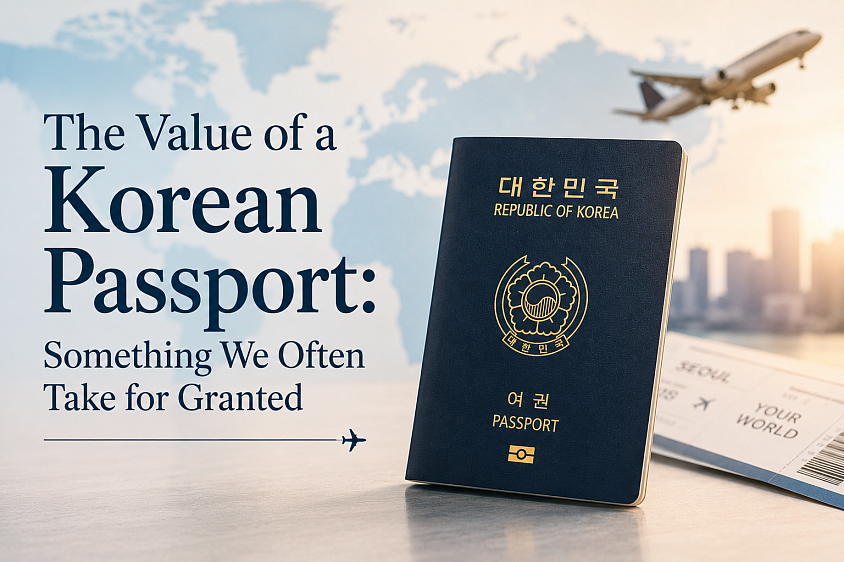
The Value of a Korean Passport: Something We Often Take for Granted
A few weeks ago, I had the privilege of assisting an Uzbek client with her application for Korean nationality through special naturalization.
Although her father is Korean, she was born and raised in Uzbekistan and grew up as an Uzbek citizen. In her early twenties, she came to Korea to pursue her university education. Thanks to her father's nationality, she had little difficulty obtaining the appropriate visa and building a life in Korea.
During our consultation, one story stayed with me.
Whenever university vacations came around, she and her friends would make plans to travel abroad. While her Korean friends could simply book their flights and leave, she often had to apply for tourist visas with her Uzbek passport. More than once, visa requirements prevented her from joining the trips.
She told me those moments were when she first realized the true value of Korean citizenship.
One of the biggest reasons she decided to become a Korean citizen was the global reputation of the Korean passport and the freedom of travel it provides.
Of course, naturalization is never an easy process. She was particularly worried about the interview because she was not yet fully confident in her Korean language skills. I encouraged her by saying that, since she had already made the important decision to become a Korean citizen, I hoped she would continue studying Korean and achieve a successful outcome.
As a Korean immigration specialist, I meet people from many different countries almost every day.
There is one sentence I hear surprisingly often:
"I wish I had a Korean passport."
As of 2026, Korean passport holders can travel to 188 countries and territories without obtaining a visa in advance. This places the Korean passport among the world's most powerful, ranking alongside Japan and just behind Singapore.
For those of us born in Korea, this freedom often feels completely ordinary. Yet for many people, it represents an opportunity that can only be earned through years of dedication, patience, and effort.
I rarely thought about the value of my own passport when traveling overseas. However, after meeting countless foreign clients over the years, I have come to realize how a single passport can dramatically expand a person's opportunities, mobility, and choices in life.
This consultation reminded me that naturalization is about far more than changing one's nationality. It is about opening new doors, creating new opportunities, and giving someone the freedom to explore a much bigger world.
It also reminded me that Korean citizenship—and the Korean passport that comes with it—is a privilege many of us rarely stop to appreciate, yet one that countless people around the world aspire to obtain.
A Visit to the Hwaseong Immigration Detention Center and Reflections on Korea's Employment Permit System (EPS)
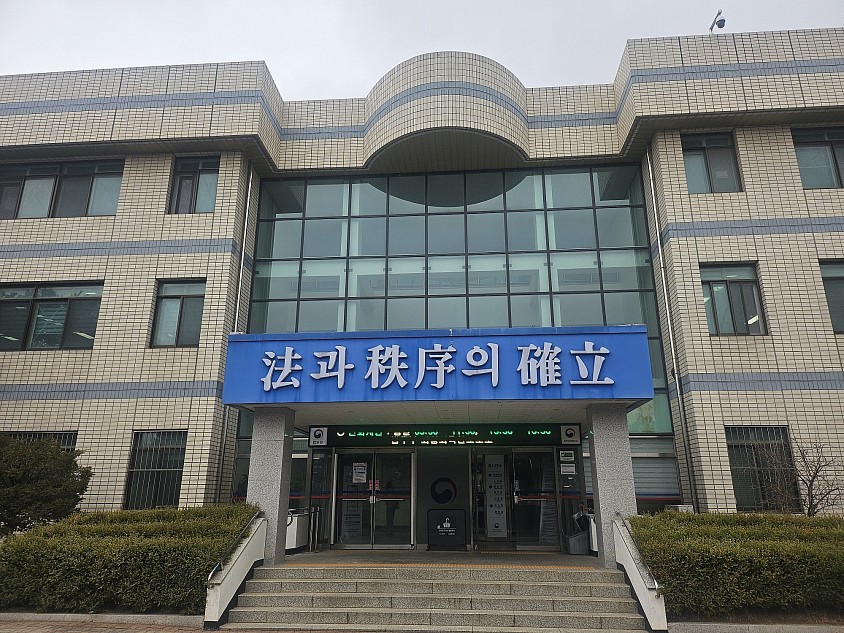
A Visit to the Hwaseong Immigration Detention Center and Reflections on Korea's Employment Permit System (EPS)
I recently visited the Hwaseong Immigration Detention Center in Gyeonggi Province.
The Hwaseong Immigration Detention Center is a government facility that temporarily detains foreign nationals who are subject to deportation while their removal procedures are being carried out.
I visited the center to meet a foreign worker who had been apprehended for overstaying his visa. He had originally entered Korea on an E-9 (Non-Professional Employment) visa. After his authorized period of stay expired, he did not return to his home country and continued working illegally until he was caught by immigration authorities.
I visited him at the request of an acquaintance to review whether there was any possibility of obtaining his release from detention.
What left the strongest impression on me, however, was not the legal issue itself but the detention facility. It is a place where people are confined while awaiting deportation, and the living conditions appeared to be quite poor. As I discussed his case and examined the legal options available, I found myself reflecting once again on Korea's Employment Permit System (EPS).
What is the Employment Permit System (EPS)?
The Employment Permit System (EPS) is a government program that allows Korean employers, particularly small and medium-sized enterprises facing labor shortages, to legally hire foreign workers.
Introduced in 2004, the system was designed to reduce illegal employment, establish a transparent recruitment process, and better protect the rights of foreign workers. Under this system, the Korean government directly oversees the recruitment and placement process rather than relying on private brokers.
Advantages of the Employment Permit System
1. Reduction of Illegal Employment
Before the introduction of the EPS, Korea operated the Industrial Trainee System, under which private brokers often charged excessive recruitment fees. This contributed to a high rate of illegal stay and unauthorized employment.
By placing recruitment under government supervision, the EPS has significantly improved transparency and helped reduce illegal employment.
2. Improved Working Conditions
Foreign workers employed under the EPS are protected by the same labor laws that apply to Korean workers. They are entitled to equal treatment regarding wages, working hours, and other basic labor rights, providing greater legal protection than in the past.
3. Lower Recruitment Costs
Prior to the EPS, many foreign workers had to pay substantial recruitment fees in their home countries before coming to Korea.
Because the Korean government now manages much of the recruitment process, these costs have been substantially reduced, easing the financial burden on migrant workers.
Challenges of the Employment Permit System
1. Restrictions on Changing Workplaces
Although foreign workers are allowed to change employers under certain circumstances, the process is heavily regulated.
Workers must satisfy specific legal conditions, and in many situations changing workplaces is difficult in practice. Furthermore, the number of workplace changes is limited during the visa period.
These restrictions may discourage workers from leaving abusive or poor working environments and, in some cases, may lead them to overstay their visas instead.
2. Limited Employment Sectors
The EPS only permits foreign workers to work in designated industries, such as manufacturing, construction, agriculture, livestock farming, fisheries, and certain service sectors.
While this policy addresses labor shortages in essential industries, it also limits workers' employment opportunities and concentrates foreign labor within a relatively small number of sectors.
3. Human Rights Concerns
Some experts argue that the current structure of the EPS prioritizes employers' interests over workers' rights.
Because workers' legal status is closely tied to their employer, they may find themselves in vulnerable situations where it is difficult to leave unfavorable working conditions. As a result, concerns continue to be raised regarding the protection of migrant workers' human rights.
Illegal Stay Under the Employment Permit System
Despite the positive intentions behind the EPS, a number of foreign workers eventually become undocumented migrants.
Some leave their assigned workplaces because of low wages, difficult working conditions, or the limited ability to change employers. Once they leave without authorization, many lose their legal immigration status.
According to data released by the Ministry of Employment and Labor, approximately 265,000 foreign workers entered Korea on E-9 visas between 2020 and 2024. Among them, 7,410 workers left their assigned workplaces without authorization.
These figures suggest that structural issues within the Employment Permit System, together with workplace conditions, continue to contribute to illegal stay.
We’s Thoughts
Ironically, a system that was created to reduce illegal immigration has, in some cases, become one of the factors contributing to undocumented stay.
Addressing this issue requires more than stricter immigration enforcement Improving working conditions, providing fair wages, and creating a more flexible employment system are equally important.
Today, many industries in Korea depend heavily on foreign workers. In many sectors, businesses would struggle to operate without them.
Protecting the rights of migrant workers while maintaining a fair and effective immigration system is not only a matter of human dignity—it is also essential for the long-term stability and sustainability of Korea's labor market.
A Meaningful Day with the Filipino Community: PMCC's 30th Anniversary Celebration
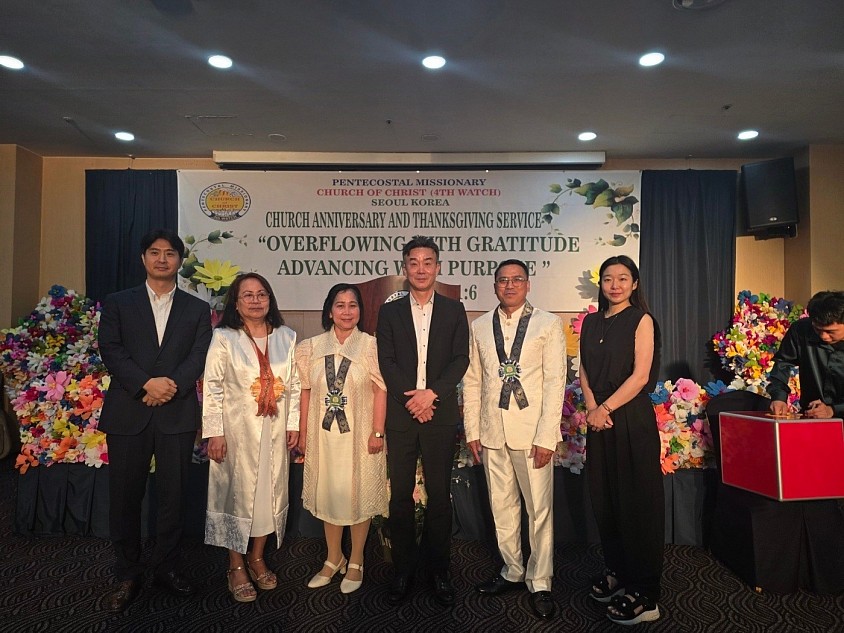
A Meaningful Day with the Filipino Community: PMCC's 30th Anniversary Celebration
Last weekend, I had the honor of attending a truly meaningful event—the 30th Anniversary Celebration of PMCC (Pentecostal Missionary Church of Christ, 4th Watch).
PMCC is a Pentecostal missionary church that originated in the Philippines and continues its missionary work and community outreach in many countries around the world. In Korea, a large number of Filipino members actively practice their faith, and this anniversary celebration brought together believers from across the country for a memorable and joyful occasion.
I attended the event together with fellow Certified Administrative Agents. Our purpose was not only to celebrate this important milestone but also to provide administrative and immigration consultations to members of the Filipino community living in Korea.
After the worship service, one of my colleagues delivered a seminar on Korean immigration and visa pathways for the Filipino congregation.
Since many of the attendees were foreign workers holding E-9 (Non-Professional Employment) visas, there was significant interest in understanding how they could build a long-term future in Korea.
The presentation explained the typical immigration pathway:
E-9 → E-7-4 (Skilled Worker) → F-2-99 (Residence Visa) → F-5 (Permanent Residence).
The seminar covered practical topics such as the eligibility requirements for each stage, the appropriate timing for changing visa status, and the preparations necessary to eventually qualify for permanent residency. The presentation included real-life case examples, and it was impressive to see many participants taking notes and actively engaging throughout the session.
It reminded me once again that, regardless of nationality, everyone shares the same hope of building a stable and secure life in Korea.
After lunch, we moved to the consultation booth prepared by the church and began providing one-on-one administrative consultations.
The consultations covered a wide range of topics, including:
- E-9 and E-7-4 visa consultations
- F-2-99 Residence Visa and F-5 Permanent Residence procedures
- Company incorporation and starting a business in Korea
- Business licenses and permits
- Seasonal Worker Program
- Administrative procedures for foreign residents in Korea
- Various immigration-related inquiries
The questions were far more diverse than expected, and it was a valuable opportunity to hear firsthand about the real challenges that foreign residents experience while living in Korea.
When assisting foreign nationals, some people assume that once a visa issue is resolved, everything else will naturally fall into place.
In reality, however, successful settlement in Korea requires much more than obtaining the appropriate visa. Employment opportunities, business establishment, legal compliance, administrative procedures, and integration into the local community all play essential roles in building a stable life.
The PMCC 30th Anniversary Celebration served as a meaningful reminder of this reality.
It also reinforced my belief that a Certified Administrative Agent is not simply someone who prepares documents, but a professional who helps foreign residents navigate Korea's administrative system and supports them in establishing a stable and successful life here.
At We Administrative Attorney Office, we will continue working closely with various foreign communities while providing professional services in immigration, business licensing and permits, company establishment, and other administrative matters that help foreign residents successfully settle and thrive in Korea.
